Unlocking the Potential of Liquid Mercury for Sale: An Expert Guide to Industry Insights and Red Mercury Chemical Formula
In the dynamic world of chemical commodities, the market for liquid mercury for sale has garnered significant attention from industrial manufacturers, scientific research facilities, and specialized sectors. This comprehensive guide dives deep into the intricacies of engaging in the mercury business, focusing particularly on the fascinating realm of red mercury and its associated chemical formula. For entrepreneurs seeking to understand this niche market, recognizing the nuances of red mercury chemical formula and the strategic steps to succeed can carve out a competitive edge in this complex industry.
Understanding Liquid Mercury and Its Industry Significance
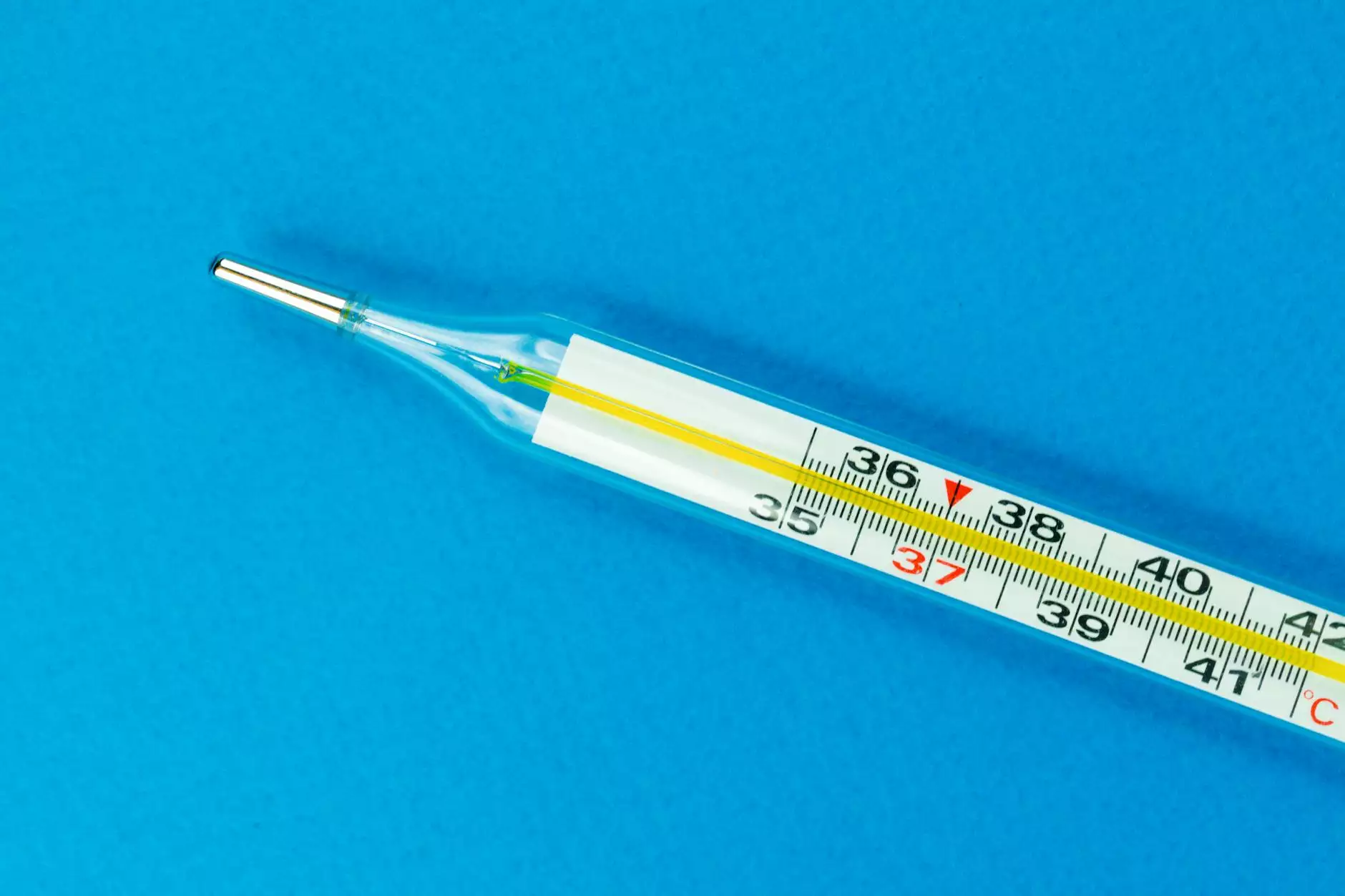
Liquid mercury, also known chemically as quicksilver (symbol: Hg), is a unique metallic element characterized by its liquid state at room temperature. Its exceptional physical and chemical properties have rendered it indispensable in several high-end industrial applications, including:
- Thermometers and barometers
- Electrical switches and relays
- Dental amalgams
- Industrial catalysts
- Scientific research and experimental laboratories
Despite the challenges associated with its toxicity and environmental impact, the *liquid mercury* market continues to thrive owing to ongoing necessities across various sectors. As a business, supplying quality mercury demands adherence to strict safety standards, precise sourcing, and a thorough understanding of the legal landscape involved in mercury trade.
Why the Market for Liquid Mercury Is Expanding
The demand for *liquid mercury* is driven by multiple factors, including technological advancements and the need for specialized applications. For instance:
- Emerging scientific research exploring new chemical processes
- Growing industries in electronics and manufacturing that rely on mercury-based components
- Continued use in medical and dental applications in regions with less restrictive regulations
- Supply chain developments that improve the accessibility of high-purity mercury
It is important to note, however, that environmental concerns are leading to tighter regulations globally. Companies engaging in the mercury business must prioritize compliance with international standards such as the Minamata Convention on Mercury, which aims to reduce mercury emissions and phase out the use of mercury in many applications.
Deep Dive into Red Mercury: Myths, Facts, and Industry Reality
Among the most enigmatic and controversial substances in this market is *red mercury*. Despite widespread rumors and various myths surrounding its existence, the commercial reality involves understanding its chemical formula and potential legitimate uses.
What Is Red Mercury?
At its core, red mercury is a term used to describe a highly specialized substance purportedly used in advanced scientific, military, and technological contexts. Some sources suggest it is a form of mercury amalgam or a compound with distinctive coloration, although its exact chemical makeup remains elusive or classified in many instances.
Red Mercury Chemical Formula Explained
The red mercury chemical formula is a subject of intense speculation and often conflated with misinformation. Unlike common mercury (Hg), which has a well-established atomic structure and formula, the purported composition of red mercury could involve complex organomercury compounds or amalgams. Some claims suggest it might be a mixture or a stabilized form of mercury combined with other elements like thallium or antimony, yielding a reddish hue.
Important note: Legitimate scientific literature provides no definitive or peer-reviewed evidence confirming the existence of a unique chemical formula for "red mercury" as a standalone element or compound. Due to its controversial status, many so-called sources on the internet refer to red mercury as a myth or a scam. However, in the context of the *liquid mercury for sale* industry, understanding the red mercury narrative is crucial for navigating legitimacy and avoiding fraudulent suppliers.
Business Opportunities in the Mercury Industry
Engaging in the mercury supply chain requires a strategic approach emphasizing quality, compliance, and ethical sourcing. Here are key opportunities and considerations:
Supply Chain and Sourcing
Reliable sourcing of *liquid mercury* involves establishing partnerships with certified suppliers adhering to international safety and environmental standards. It is essential to verify the purity of the mercury, often designated as high purity (99.999%), and to ensure proper transportation protocols are followed to prevent spills, contamination, or illegal diversion.
Legal and Regulatory Compliance
Countries worldwide impose strict regulations on the trade and use of mercury. Successful businesses operate within legal frameworks, securing licenses, and following safe shipping practices. Understanding regional restrictions, particularly in the European Union, North America, and parts of Asia, mitigates risks and ensures long-term sustainability.
Market Segments and Applications
The primary segments for liquid mercury include:
- Scientific and Medical Fields: Calibration, thermometers, and diagnostics
- Industrial Manufacturing: Chemical processing and electronic component fabrication
- Specialized Sectors: Nuclear reactors, research, and high-end instrumentation
An effective business strategy encompasses targeted marketing to these segments while emphasizing product purity and safety standards.
Benefits of Engaging with Dschemek: Your Trusted Mercury Supplier
When considering entering the mercury industry, partnering with reputable suppliers like dschemek.com ensures access to top-quality products, reliable logistics, and expert guidance. Their offerings of *liquid mercury for sale* are compliant with international safety standards and backed by extensive industry experience.
Key advantages include:
- High-grade, laboratory-certified mercury
- Secure and discreet shipping arrangements
- Professional consultation on regulatory compliance
- Competitive pricing with flexible bulk purchase options
Frequently Asked Questions About Liquid Mercury and Red Mercury Chemical Formula
1. Is red mercury a real chemical substance?
Indeed, much of the belief surrounding red mercury is based on myths, conspiracy theories, and misidentification. Scientific evidence of its existence as a unique chemical compound is lacking, and most references are either outdated or unverified. Consumers should exercise caution and verify claims thoroughly.
2. Can I legally purchase liquid mercury for industrial purposes?
In many jurisdictions, purchasing and possessing *liquid mercury* is subject to strict regulation due to its toxicity. Always consult local laws, acquire necessary permits, and work with trusted suppliers to ensure compliance.
3. What safety measures are important when dealing with mercury?
Handling mercury requires personal protective equipment (PPE), proper ventilation, and safe storage practices. Professionals must adhere to environmental regulations and disposal protocols to prevent health and ecological hazards.
Conclusion: Stepping Into a Niche Market with Confidence
The *liquid mercury for sale* industry presents lucrative opportunities for well-informed businesses that prioritize safety, compliance, and quality. While misconceptions about red mercury abound, a clear understanding of its chemical formula and the real-world applications of mercury empowers entrepreneurs to navigate this complex landscape confidently.
Partnering with trusted industry leaders like dschemek.com provides the reliability and expertise needed to succeed in this niche. Whether sourcing premium *liquid mercury* or understanding the intricacies of this fascinating element, comprehensive knowledge and ethical practices are the keys to thriving in the mercury industry.
Embrace the potential of this specialized sector with professionalism and integrity, and unlock opportunities that can transform your business endeavors into long-term successes.