Exploring Geckos: Your Ultimate Guide to Finding the Perfect Gecko Animal for Sale
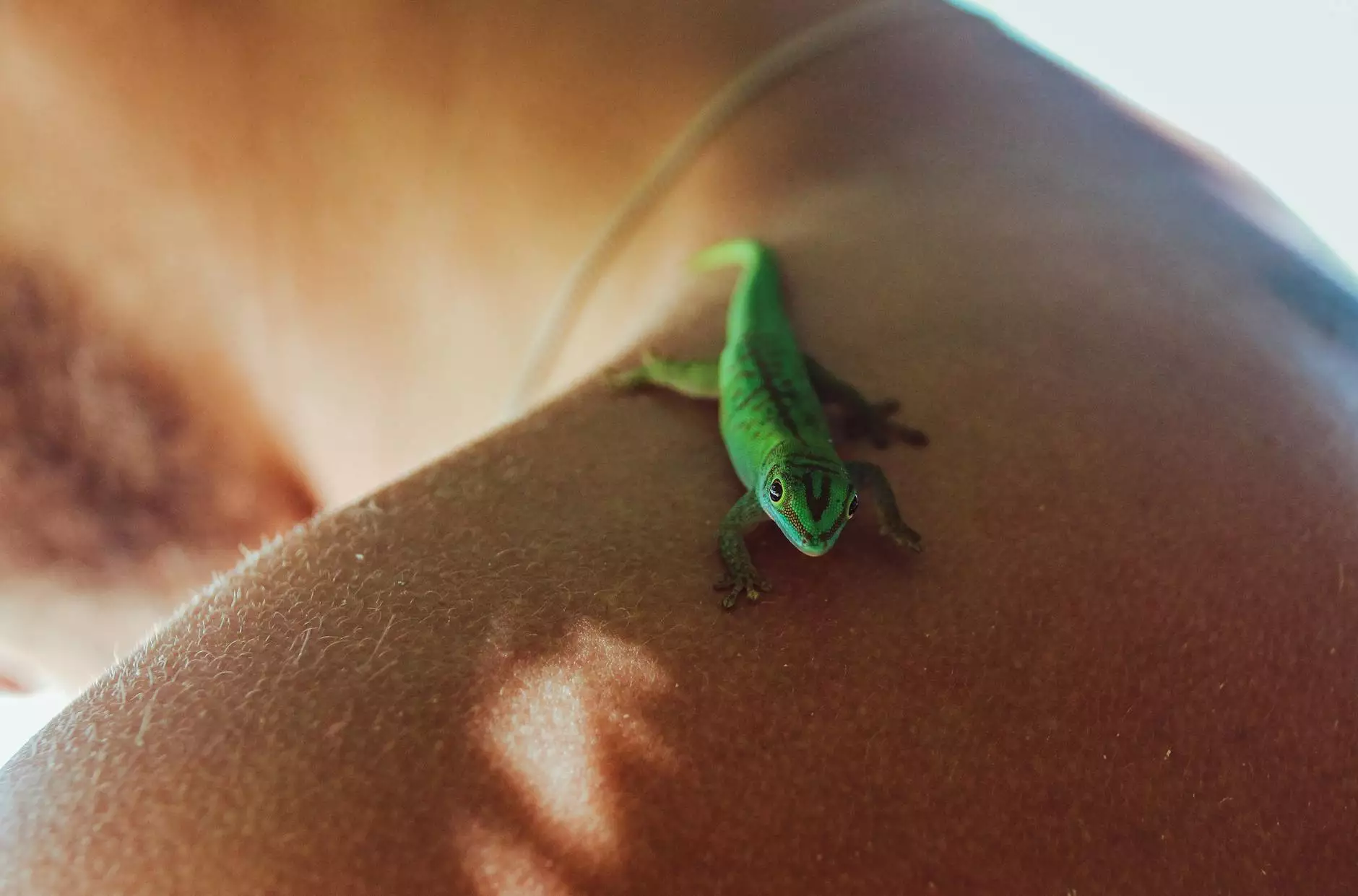
Geckos are one of the most fascinating reptiles to have as pets. Their vibrant colors, unique behaviors, and friendly nature make them popular choices among reptile enthusiasts. If you are looking for a gecko animal for sale, whether you're a seasoned reptile owner or a beginner, this guide will provide you with the essential information you need to make an informed decision.
1. Understanding Geckos as Pets
Before diving into the world of buying geckos, it's important to understand what makes them such fantastic pets. Geckos belong to the family Gekkonidae, which includes over 1,500 species. They are known for their distinctive physical features, such as:
- Sticky Toe Pads: Allowing them to climb various surfaces.
- Vocalizations: Many species can make a variety of sounds.
- Tail Autotomy: The ability to shed their tails to escape predators.
Geckos are generally nocturnal, and they exhibit a fascinating range of behaviors, making them not only beautiful pets but also entertaining companions.
2. Popular Gecko Species for Sale
When searching for a gecko animal for sale, you'll encounter various species, each with distinct traits. Here are some of the most popular types of geckos available to pet owners:
2.1 Leopard Gecko
The Leopard Gecko is among the most popular pet reptiles due to its docile nature and minimal care requirements. They are known for their spotted appearance and come in various color morphs. They thrive in a terrestrial environment with a simple setup and enjoy a diet of insects.
2.2 Crested Gecko
Crested Geckos are famous for their beautiful crest running from their eyes down to their back. They are relatively easy to care for, require a vertical cage for climbing, and eat a diet rich in fruit and insects. Their friendly demeanor makes them a favorite for beginners.
2.3 Day Gecko
Day Geckos are known for their vibrant colors and diurnal nature, being active during the day. They love humidity and require a tall terrarium with plenty of foliage to explore. Day Geckos eat primarily fruit and insects and thrive in a well-maintained habitat.
2.4 Gargoyle Gecko
These geckos are named for their unique appearance, resembling tiny gargoyles. They have a stout body and come in various colors and patterns. Gargoyle Geckos are relatively easy to care for and can be housed similarly to Crested Geckos.
3. Where to Find a Gecko Animal for Sale
Finding the right gecko animal for sale requires careful consideration. Here are some trusted avenues for purchasing your future reptilian friend:
3.1 Reputable Pet Stores
Many pet stores offer geckos for sale, but it's essential to choose those that have a good reputation. Look for stores that:
- Provide health guarantees for their reptiles.
- Have knowledgeable staff who can answer your questions.
- Maintain clean and well-kept enclosures.
3.2 Breeders
Purchasing from a reputable breeder is often the best choice when looking for a gecko animal for sale. Breeders tend to provide better care for their animals and can offer a wider variety of morphs. Look for breeders who:
- Specialize in specific gecko species.
- Can show you the parent animals.
- Have positive reviews or recommendations from the reptile community.
3.3 Online Reptile Retailers
Many reputable online retailers specialize in exotic pets, including geckos. Ensure that any online retailer you consider has:
- A clear return and health guarantee policy.
- Excellent customer service and support.
- Positive reviews from previous customers.
4. Essential Care for Pet Geckos
Once you've purchased your gecko animal for sale, providing the right care is essential for a long and healthy life. Here’s what you need to know:
4.1 Housing Requirements
The habitat is crucial for your gecko's well-being. Here are some general guidelines:
- Terrarium Size: Depending on the species, choose an appropriately sized terrarium, often ranging from 20 gallons to larger enclosures for arboreal species.
- Substrate: Use substrates that promote healthy humidity, such as coconut fiber or reptile carpet.
- Hiding Spaces: Provide plenty of hides and climbing structures to ensure your gecko feels secure.
4.2 Temperature and Lighting
Understanding temperature gradients and lighting for your gecko is vital. Here’s what to consider:
- Temperature Gradient: Maintain a warm side (85-90°F) and a cooler side (70-75°F) in the terrarium.
- UVB Lighting: While not all geckos require UVB, providing it can benefit your gecko's health, especially species like Crested Geckos.
4.3 Diet and Nutrition
Proper nutrition is key to maintaining your gecko’s health. Feeding requirements vary by species:
- Insect Diet: Most geckos thrive on a diet of crickets, mealworms, and roaches, providing gut-loaded insects.
- Commercial Diets: Products are available specifically for certain species, like Crested Geckos, which enjoy fruit and insect mixes.
5. Health Considerations for Your Gecko
Regular health checks and understanding potential issues can help you maintain a healthy pet. Keep an eye out for:
- Skin Shedding: Geckos should shed their skin in one piece; incomplete sheds may indicate humidity issues.
- Appetite Changes: A sudden loss of appetite can signal health problems.
- Behavior Changes: Any unusual behavior may indicate stress or illness.
6. Conclusion: Making an Informed Purchase
Purchasing a gecko animal for sale is an exciting journey. By understanding the diverse species available, where to buy, and how to care for them, you can ensure that you choose the right pet and offer them a loving home. Remember to do your research, ask questions, and make choices that prioritize the health and happiness of your new gecko. With the right care and environment, your gecko can become a vibrant part of your life for many years to come.
For more information and to browse a selection of geckos available, visit eu-exoticreptiles.com.